

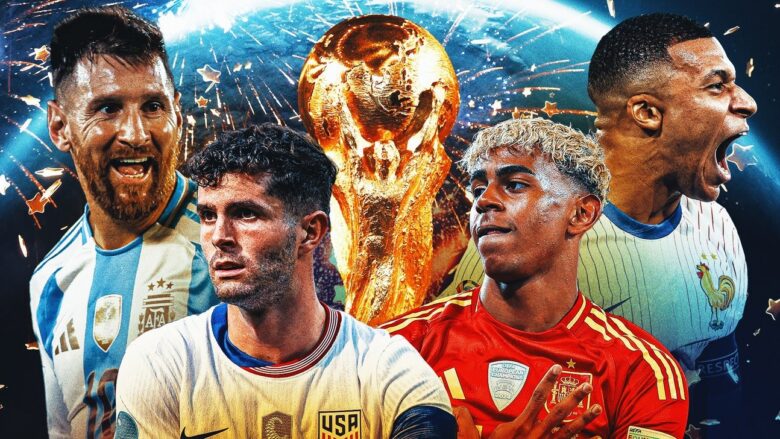
The expanded tournament format changes the equation. More teams will reach the knockout rounds, creating additional opportunities for nations that might have struggled to survive a smaller tournament. That makes identifying potential surprise teams more interesting than usual.
The business side of football also reflects this growing interest. As major tournaments attract millions of viewers worldwide, many sports-related businesses experience increased transaction volume and demand for payment processing services. Companies operating in this space often rely on a sports betting merchant account to manage payments securely during periods of intense tournament activity.
For fans, however, the real focus remains on which teams can exceed expectations once the matches begin.
Norway Looks Ready To End Years Of Waiting

For years, Norway was viewed as a talented team that could never quite put everything together. That perception has changed significantly heading into 2026.
Erling Haaland is obviously the headline name, but Norway’s strength goes beyond one player. Martin Ødegaard provides creativity in midfield, Alexander Sørloth adds another scoring threat, and Antonio Nusa brings pace and unpredictability on the wing. Several analysts have identified Norway as one of the strongest dark horse candidates in the tournament.
What makes Norway particularly dangerous is balance.
| Key Strength | Why It Matters |
| Elite goalscorer | Haaland can change matches quickly |
| Creative midfield | Ødegaard controls tempo and creates chances |
| Multiple attacking options | Opponents cannot focus on one player |
| Strong qualifying form | Confidence enters the tournament with the squad |
If Norway advances from a difficult group, few teams will want to face them in the knockout rounds.
Morocco Still Has The Tools To Go Deep
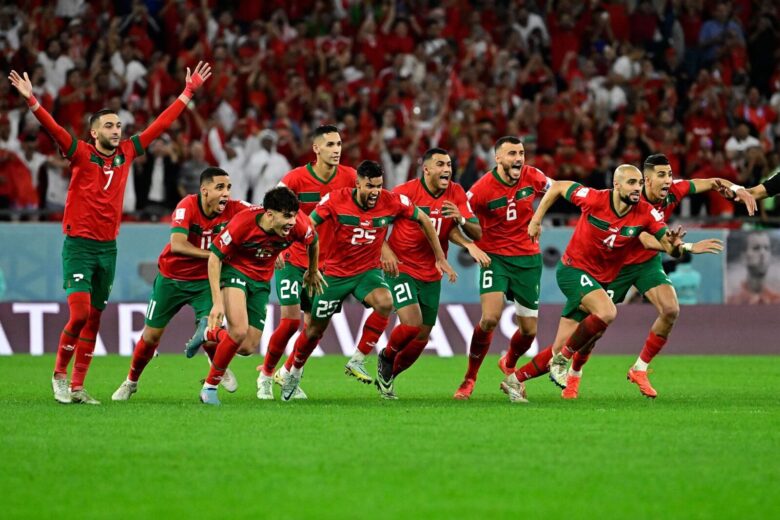
Many people no longer consider Morocco a surprise team after their remarkable run in 2022. Even so, they continue to receive less attention than several European giants despite remaining one of the most organized teams in the tournament.
Achraf Hakimi remains one of the best attacking full-backs in international football, while Morocco’s defensive structure consistently frustrates stronger opponents. Recent injury concerns have affected preparations, but the overall quality of the squad remains high.
Important fact: Morocco became the first African nation to reach a World Cup semifinal in 2022, proving that disciplined defensive football can compete with the tournament’s biggest powers.
The experience gained from that historic run could become a major advantage during pressure situations in 2026.
Austria Could Be This Tournament’s Most Underrated Team
Austria may not attract many headlines, but they possess several qualities that often produce successful tournament runs.
Under Ralf Rangnick, Austria has developed a clear identity built around pressing, organization, and collective discipline. Unlike some national teams that rely heavily on individual stars, Austria functions as a well-connected unit. That consistency often becomes extremely valuable during short tournaments.
Several reasons make Austria worth watching:
- Strong tactical structure
- Players familiar with the system
- High-intensity pressing style
- Experienced midfield core
- Emerging young talent
Paul Wanner is one player generating growing interest among scouts and analysts. Combined with experienced figures such as Marcel Sabitzer and Konrad Laimer, Austria has enough quality to challenge more famous opponents.
The Breakout Players Who Could Become Global Stars

Every World Cup introduces players who suddenly become household names. Several young talents appear particularly well-positioned to make that leap in 2026.
Antonio Nusa stands near the top of that list. The Norwegian winger combines speed, confidence, and direct attacking play that can create problems for even elite defenses. Multiple tournament previews have highlighted him as a potential breakout performer.
Esmir Bajraktarević is another player receiving significant attention. Representing Bosnia and Herzegovina, he enters the tournament after impressive performances during qualification and has been identified by several analysts as a player capable of surprising casual fans.
Deniz Undav also deserves mention. Germany possesses no shortage of attacking talent, but Undav offers a different profile and could become a valuable contributor in decisive moments.
Which Teams Have The Best Chance To Shock The Favorites?

Several nations appear capable of upsetting established powers if the bracket falls their way.
Japan continues to improve with every major tournament and combines tactical discipline with growing technical quality. Ecuador has also earned attention from analysts who believe its defensive structure and athleticism could make life difficult for stronger opponents. Colombia enters with a talented generation that has matured together over recent years.
A quick look at some leading dark horse candidates:
| Team | Main Reason For Optimism |
| Norway | Haaland, Ødegaard, attacking depth |
| Morocco | Tournament experience and organization |
| Austria | Tactical consistency |
| Japan | Strong collective identity |
| Colombia | Quality throughout the squad |
The expanded format increases the possibility that one of these teams reaches the semifinals or beyond.
Expect At Least One Unexpected Story

Trying to predict the exact surprise team before a World Cup starts is never easy. Injuries, form, matchups, and momentum can completely change a tournament within a few days.
Still, Norway, Morocco, Austria, Japan, and Colombia all possess characteristics that typically define successful dark horses. On the player side, Antonio Nusa, Esmir Bajraktarević, Deniz Undav, and several other emerging talents have an opportunity to introduce themselves to a global audience.
That combination of established stars, rising prospects, and ambitious national teams is one of the reasons the World Cup remains unique.
While favorites will always dominate pre-tournament discussions, history suggests that at least one unexpected team and a handful of unfamiliar players will leave a lasting impression before the final whistle blows.
Frequently Asked Questions
1. How does the World Cup draw affect a team’s chances of becoming a surprise contender?
The draw can have a major impact. A team that avoids several traditional powers in the group stage may build confidence early and reach the knockout rounds with momentum. Once a team reaches the last 16, the gap between favorites and underdogs often becomes much smaller.
2. Which World Cup debutants could attract attention in 2026?
Tournament newcomers often enter with less pressure and fewer expectations. While debuting teams rarely make deep runs, they can create problems for established nations because opponents have limited experience playing against them in major tournaments. The expanded format also gives first-time participants more opportunities to gain points and remain competitive.
3. Do younger squads or more experienced squads usually perform better at the World Cup?
There is no single formula. Younger squads often bring energy, speed, and fearlessness, while experienced teams tend to handle pressure situations more effectively. The most successful World Cup teams usually have a balance of both, combining veteran leadership with emerging talent.
4. Can club form before the tournament predict World Cup success?
Club form can provide useful clues, but it is not always a reliable predictor. International football involves different tactical systems, shorter preparation periods, and unique tournament pressure. Some players thrive in national team environments even when their club season has been inconsistent.
5. Which position is most likely to produce a breakout World Cup star?
Attacking midfielders and wingers often receive the most attention because they are directly involved in goals and assists. However, recent tournaments have also elevated defenders and goalkeepers whose performances were crucial in helping unexpected teams advance.

 Kim Marks