Your 30s are when money mistakes stop being cheap. You’re earning more, spending more, and the stakes are higher than they were at 25. And yet most people are still winging it financially.
This decade is when everything collides! Better income, bigger bills, and decisions that will follow you for the next 30 years.
Ignore the basics now, and you’ll pay for it, literally.
Here are some of the most common financial mistakes people make in their 30s and how to avoid them.
Quick Summary Table
| Money Mistake | Long-Term Impact | Smarter Alternative |
|---|---|---|
| Lifestyle inflation | Low savings | Increase savings with income |
| No emergency fund | Debt during crises | Build cash reserves |
| Ignoring retirement | Lost compound growth | Start early |
| High-interest debt | Expensive repayments | Prioritize payoff |
| Delayed investing | Slower wealth building | Invest consistently |
| Overspending on housing | Cash flow pressure | Buy within real budget |
| Poor insurance planning | Financial vulnerability | Protect key risks |
| No spending tracking | Money leaks | Budget regularly |
| No estate planning | Legal complications | Prepare basic documents |
| One income dependency | Financial instability | Diversify income |
1. Living Beyond Your Income

As income grows in your 30s, spending often grows with it. This is one of the most common financial traps people fall into, and it usually happens gradually rather than all at once.
A raise hits your account and suddenly you need a nicer car, a bigger place, better vacations, none of it feels like overspending because you “can afford it now.”
While these upgrades may feel justified, they can quietly consume the very financial progress that higher earnings should create.
Earning more doesn’t make you financially safe. Spending less than you earn does. If expenses rise at the same pace as income, there is little left to save, invest, or use for long-term financial goals.
Plenty of people in their 30s look the part: nice apartment, good clothes, regular holidays, and have almost nothing saved.
Better Approach
Instead of treating every raise as permission to spend more, use income growth strategically. When income goes up, savings should go up first – not your lifestyle.
Increase savings, invest more, and make lifestyle upgrades intentionally rather than emotionally. Financial progress is not about looking wealthier; it is about building more financial flexibility and long-term stability.
2. Not Having an Emergency Fund
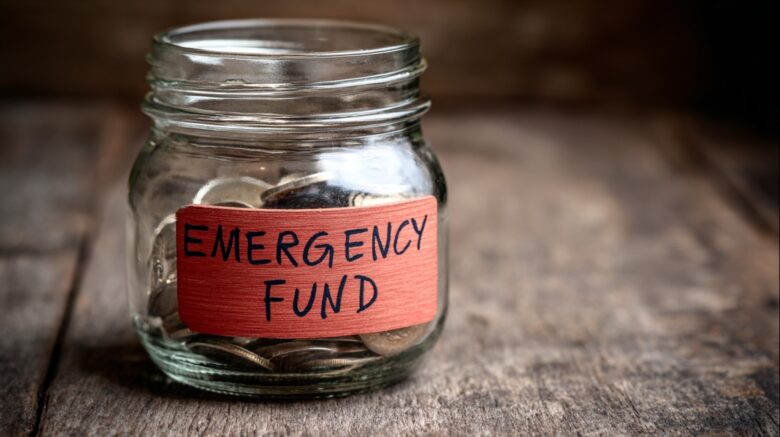
Unexpected expenses are not rare financial events, they are a normal part of life. Medical bills, job loss, home repairs, car breakdowns, or urgent family expenses can happen at any time, and without emergency savings, these situations often turn into debt problems.
Many people in their 30s assume they can handle emergencies when they happen, only to realize that a single unexpected expense can disrupt their finances for months.
An emergency fund acts as a financial buffer that protects you from relying on credit cards, personal loans, or borrowing money during stressful situations. Without that safety net, even people with decent incomes can find themselves financially vulnerable.
| Recommended Emergency Fund | Purpose |
|---|---|
| 3 months of expenses | Basic safety |
| 6 months of expenses | Better financial protection |
| 9+ months | Extra security for unstable income |
Better Approach
Building an emergency fund does not need to happen overnight. Start gradually and treat it as a financial priority, keeping the money separate from your everyday spending account so it is available when you truly need it.
3. Ignoring Retirement Savings

Retirement can feel far away in your 30s, which is why many people delay taking it seriously. There is often a belief that there will be more time later, more income later, or fewer expenses later.
Waiting five years to start doesn’t cost you five years; it costs you a decade of growth on those early contributions, which is one of the biggest advantages of starting early.
People often postpone retirement savings because they feel they do not earn enough, have debt to manage, or simply believe it can wait. But retirement planning is less about timing the perfect moment and more about building consistency over time.
The longer money has to grow, the harder it works in the background.
The Reality
Time matters more than perfection when building retirement wealth. Starting with a smaller contribution today is often more valuable than waiting years to contribute a larger amount later.
Contributing $200 a month starting now beats waiting until you can “afford” $500.
Better Approach
Contribute consistently, even if the amount feels modest in the beginning. The habit matters more than the number. Start small, stay consistent!
4. Carrying High-Interest Debt Too Long

Debt can become one of the biggest financial burdens in your 30s when it is allowed to stay unpaid for years. Credit card balances, personal loans, buy-now-pay-later debt, and consumer financing may seem manageable in the short term, but the longer they remain, the more expensive they become.
High-interest debt is a leak in your finances. You can earn well and still go nowhere because of it. If your credit card charges 20% interest, no savings account or investment is going to outrun that.
| Debt Type | Financial Risk |
|---|---|
| Credit cards | Very high interest costs |
| Personal loans | Monthly cash flow pressure |
| Consumer financing | Hidden long-term costs |
Better Approach
Paying down high-interest debt should usually come before unnecessary lifestyle upgrades. Reducing expensive debt creates immediate financial breathing room and frees more income for saving and investing.
Pay off the expensive debt first. Then upgrade your life.
5. Delaying Investing

Saving money is important, but keeping too much money sitting in cash for years can slow long-term wealth building. Many people in their 30s delay investing because they fear making mistakes, do not understand markets, or keep waiting for the “right time” to begin. That moment rarely comes.
The problem is that inflation gradually reduces the purchasing power of money that sits idle. While cash provides short-term security, it is not always enough for long-term growth. Delaying investing often means missing years of potential compounding.
The Problem
Every year you sit on cash instead of investing is a year of compounding you don’t get back. Waiting for perfect market conditions or perfect financial knowledge often leads to years of missed opportunities.
Better Approach
Learn basic investing principles and focus on long-term consistency rather than short-term market timing. Starting imperfectly is usually better than waiting indefinitely.
6. Buying More House Than You Can Afford

Buying a home is often seen as a financial milestone in your 30s, but many people stretch beyond what they can realistically afford. Mortgage approval does not always reflect financial comfort, and the true cost of homeownership goes far beyond the monthly loan payment.
Maintenance, taxes, insurance, repairs, furnishing, utilities, and unexpected costs can create financial pressure that leaves little room for savings or flexibility. This often leads to becoming “house poor,” where too much income is tied to one asset.
The Problem
A home should support financial stability, not create constant financial stress. If your mortgage is keeping you up at night, the house is too expensive.
Better Approach
Buy based on total affordability and long-term comfort rather than borrowing limits. A more manageable home often creates greater financial freedom.
7. Neglecting Insurance Protection

Many people focus heavily on building wealth in their 30s but overlook the importance of protecting it. Insurance is often treated as an expense rather than a financial safeguard, which can create major risks later.
A health issue, disability, accident, or family emergency can quickly create serious financial consequences if coverage is inadequate. This becomes even more important for people with children, mortgages, or financial dependents.
Better Approach
Insurance planning should match your life responsibilities, income level, and long-term obligations. Protection is a core part of financial planning, not an optional extra.
8. Not Tracking Where Money Goes

A surprising number of people in their 30s earn well but still do not have a clear picture of where their money goes every month. Small recurring expenses, subscriptions, convenience spending, debt payments, and irregular purchases can slowly drain cash flow without being noticed.
The issue is not always overspending in obvious ways. Subscriptions, takeout, random online purchases; none of it feels like much until you add it up.
The Problem
Money that is not tracked is difficult to control. You can’t fix what you can’t see! Even a high income can feel insufficient when spending habits remain invisible.
Better Approach
A simple budgeting system and regular spending reviews can help identify waste, improve savings, and create more intentional financial decisions.
9. Putting Off Estate Planning

Estate planning is often associated with older age, which is why many people ignore it in their 30s. In reality, financial responsibilities, children, property ownership, and legal obligations can make basic estate planning important much earlier in life.
Without a will or basic documents, you’re leaving decisions to the courts instead of making them yourself.
Better Approach
Basic estate planning helps create clarity and protection. It is not about age, it is about responsibility and preparation.
10. Relying on One Source of Income
Depending entirely on one paycheck can create financial vulnerability, even for people with stable jobs. “Stable job” is not the same as financial security. Companies lay people off. Industries change. If income stops unexpectedly because of layoffs, health issues, economic shifts, or career disruptions, financial pressure can rise quickly.
In your 30s, relying on a single income source can limit flexibility and increase financial risk, especially if expenses are high or responsibilities are growing.
@globalonlinebusiness Relying on one job or one income source is one of the biggest risks in today’s economy. Many professional professionals with degrees and stable careers are exploring multiple income, streams, online business, and digital marketing to create financial security. Building online income, side, hustles, and automated system systems can help you reduce risk and create long-term stability. If you want to learn how to make money online and build multiple income streams, this could be your next step. #PassiveIncomeOnline #FreedomLifestyle #workfromhomemom ♬ original sound – Jasmina
Better Approach
Building additional skills, exploring side income opportunities, investing, or creating diversified income streams can improve financial resilience and reduce dependence on one source of earnings.
A second income stream doesn’t have to be a second job. Investing counts. A freelance skill counts. Anything that doesn’t depend on one employer counts.
Final Thoughts – Why Your 30s Matter Financially
Your 30s are a critical decade for building financial habits that can shape your future for years to come. The decisions made during this stage often have a long-term impact because they influence savings, debt, investing, and overall financial stability.
While mistakes are common, recognizing them early can help prevent bigger financial setbacks later.
Financial security is rarely built through one major decision. It usually comes from consistent, practical choices made over time: spending wisely, preparing for unexpected expenses, managing debt carefully, and thinking beyond short-term comfort.
Nobody gets financially stable from one big decision. It’s the boring, repeated choices that actually add up. The point isn’t to earn more. It’s to stop losing ground and eventually, to have options.
 Rhydian Choi
  Jovica Radulovich