


Amazon FBA fees in 2026 are still built around the same basic idea: sellers pay Amazon to store inventory, pick and pack orders, ship products and handle parts of the customer delivery process. The difference for 2026 is that several smaller charges can now change the profit picture before a seller notices it.
That is why pricing a product only by looking at the referral fee and the base fulfillment fee is risky. Sellers who use FBA, a hybrid setup or FBM services need to check the full cost of getting each unit into a customer hand, including shipping into Amazon, storage time, inventory placement, returns, packaging, aged stock and the fuel surcharge.
Amazon says its 2026 U.S. referral and FBA fee update raises FBA fees by an average of $0.08 per unit sold, or less than 0.5% of an average item selling price. That headline number is useful, but it does not tell the whole story for every seller. A small, fast-moving item can still work well under FBA. A slow-moving bulky item can become much harder to price.
What Changed With Amazon FBA Fees In 2026
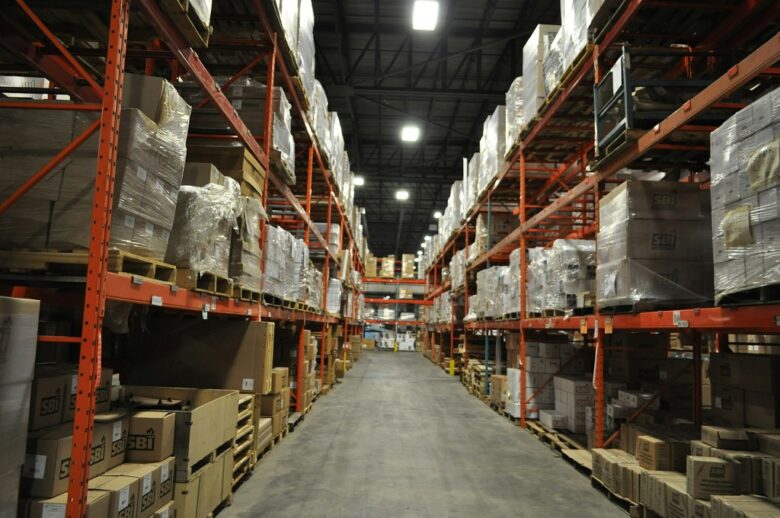
Amazon published its 2026 U.S. referral and FBA fee changes through Seller Central. The broad update says referral fees are not the main pressure point for most sellers in 2026. The sharper pressure comes from fulfillment charges, the fuel and logistics surcharge, inventory-related fees, bulky-product handling and stock management.
The biggest date sellers need to know is April 17, 2026. Starting that day, Amazon applies a 3.5% fuel and logistics-related surcharge to FBA fulfillment fees in the United States and Canada. The same surcharge applies to Remote Fulfillment with FBA from the U.S. into Canada, Mexico and Brazil. Amazon says its Revenue Calculator, Profit Analytics dashboard and Fee and Economics Preview reports have been updated to show the impact.
The official 2026 Amazon fee summary is available through Amazon Seller Central, and the dedicated fulfillment-fee page explains the new 2026 FBA fulfillment fee changes.
The Fees Sellers Should Check First
- Referral fee by product category
- FBA fulfillment fee by size tier and shipping weight
- 3.5% fuel and logistics surcharge
- Monthly inventory storage fee
- Aged inventory surcharge
- Low-inventory-level fee
- Inbound placement service fee
- Returns processing fee where it applies
- SIPP eligibility or packaging fee
- Prep, labeling, removal and disposal costs
The pricing mistake many sellers make is treating FBA as one fee. It is a stack of charges. Some are paid on every sale. Others appear only when inventory sits too long, arrives in the wrong shape, runs too low or needs Amazon to distribute it through the fulfillment network.
Amazon FBA Fulfillment Fees In 2026
The FBA fulfillment fee is the per-unit fee Amazon charges to pick, pack, ship and handle an order. The amount depends on product size tier and shipping weight. A light standard-size item costs far less to fulfill than a bulky item, and dimensional weight can raise the fee for products that take up more space than their actual weight suggests.
Amazon explains that FBA fulfillment fees are based on the size and weight of the product. For large standard, small bulky, large bulky and extra-large items, Amazon can use dimensional weight when it is higher than unit weight. Amazon calculates dimensional weight by multiplying length, width and height, then dividing by 139, according to its Low-Price FBA fee guidance.
Sellers should check each SKU against the current size tier rather than assuming last year calculations still hold. A packaging change, a bundle, a protective insert or a larger box can shift the unit into a higher fee tier.
Why Size Tier Can Change Profit
FBA pricing can turn on small physical details. A product that looks profitable at one size tier can lose margin if the box pushes it into a higher tier. That is especially true for low-priced products, bundles, home goods, toys, fragile items and products with air-filled packaging.
Sellers should weigh and measure the final packaged unit, not just the product itself. The fee is based on what Amazon handles as a shippable unit.
The 3.5% Fuel And Logistics Surcharge

The new fuel and logistics surcharge is one of the easiest 2026 fees to miss because it is a percentage added to the fulfillment fee, not a separate product listing fee.
Starting April 17, 2026, Amazon applies a 3.5% surcharge to FBA fulfillment fees. That means the surcharge grows as the fulfillment fee grows. A small standard item sees a smaller dollar increase. A bulky or heavy item sees a larger one.
The surcharge needs to be included in product pricing, repricing rules and margin calculators. A seller who prices inventory using older FBA rates can undercount cost on every unit sold after the surcharge date.
View this post on Instagram
What To Check In Seller Central
- Open the Revenue Calculator for each active ASIN.
- Review Profit Analytics for unit-level margin after fees.
- Check the Fee and Economics Preview report for upcoming charge changes.
- Update repricing rules that use old fulfillment-fee assumptions.
- Review low-margin SKUs first, especially items under $20.
Referral Fees Still Depend On Category
Referral fees are the sales commission Amazon charges when a product sells. The rate depends on category and sometimes selling price. Most sellers already know to include this fee, but category classification still deserves attention.
A product listed in the wrong category can create the wrong referral-fee assumption. It can also cause compliance problems, suppressed listings or unexpected review. Before pricing a product, sellers should confirm the actual category and referral fee that applies to the ASIN.
Referral fees are usually less surprising than inventory-related fees because they are tied directly to the sale. Still, they remain one of the main costs in any FBA margin calculation.
Storage Fees Can Hurt Slow-Moving Products
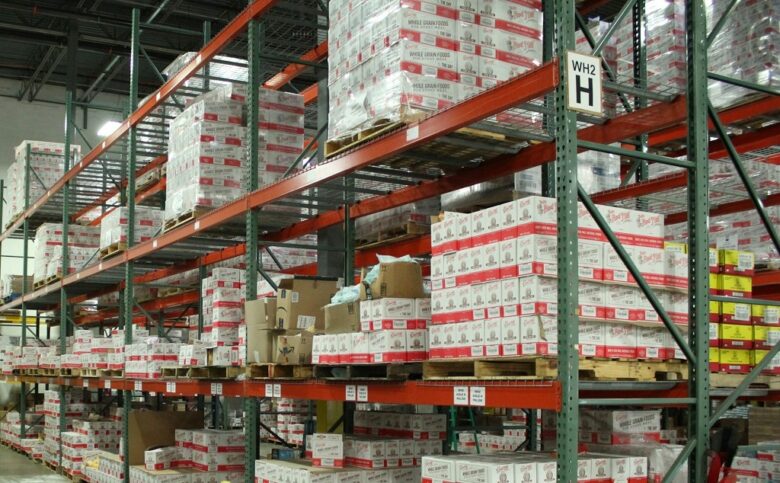
Storage fees are charged for the space a seller inventory occupies inside Amazon fulfillment centers. Amazon says monthly storage fees are calculated on daily average volume in cubic feet, based on the size of a properly packaged unit ready to ship.
That means bulky products cost more to store because they use more space. Inventory stored during higher-demand periods can also be more expensive, depending on Amazon fee schedule and the product size tier.
The official page for monthly inventory storage fees explains that storage charges include a base monthly storage fee and, in some cases, a storage utilization surcharge.
What Storage Fees Mean For Pricing
A product can be profitable on the day it sells and still lose money if it sits in FBA too long before that sale. That is why the pricing model should include expected storage time.
A fast-moving replenishment product can handle FBA storage more easily. A seasonal product, oversized item or slow catalog experiment needs a different plan. Sellers should ask how many weeks or months the item may sit before selling and price accordingly.
Aged Inventory Surcharge Starts Earlier Than Many Sellers Expect
Amazon charges an aged inventory surcharge on units stored in its fulfillment network for 181 days or longer. The fee is assessed through an inventory snapshot on the 15th day of each month and is charged in addition to monthly storage fees.
For sellers, the important point is that aged inventory is not only a problem after a full year. Once inventory crosses 181 days, it can begin adding cost while the product waits to sell.
Amazon explains the rule on its aged inventory surcharge page. The 2026 fee summary also says items aged over 15 months incur monthly aged inventory fees of $0.35 per unit or $7.90 per cubic foot, whichever is greater.
How Sellers Should React Before Inventory Ages
- Check inventory age weekly for slow-moving ASINs.
- Use promotions before the surcharge becomes expensive.
- Remove, liquidate or bundle inventory that has stopped moving.
- Reduce reorder quantity when sell-through slows.
- Avoid sending large test quantities into FBA.
Aged inventory can turn a small forecasting error into a margin problem. Sellers should treat old stock as a pricing issue, not only an inventory issue.
Low-Inventory-Level Fees Reward Better Stock Planning

The low-inventory-level fee applies when Amazon sees too few days of supply relative to customer demand. Amazon says the fee applies to standard-size and small and large bulky products when historical days of supply is below 28 days.
Amazon measures both short-term and long-term historical days of supply. The official low-inventory-level fee page says the fee applies only when both the long-term and short-term measures are below 28 days.
This fee is easy to misunderstand. It does not punish sellers for having too much inventory. It applies when inventory is too low for the demand pattern Amazon sees.
Why This Fee Affects Pricing
A seller with poor replenishment can pay more per unit even when the product sells well. That is a major difference from older FBA thinking, where fast sell-through was usually enough.
In 2026, sellers need a pricing plan and a replenishment plan. A popular product with thin margins can become less attractive if it keeps triggering low-inventory fees.
Inbound Placement Fees Change The Cost Before The Sale
Amazon charges inbound placement service fees when sellers choose to send inventory to fewer inbound locations and have Amazon distribute it through the network. Sellers can also choose Amazon optimized shipment splits, which can reduce or avoid placement fees but usually requires shipping inventory to more locations.
Amazon explains the choices on its FBA inbound placement service fee page. The fee can vary by inbound location, and shipments to some regions can cost more.
This is one of the biggest changes in how sellers should think about landed cost. Product cost is not finished when the factory invoice is paid. The cost also includes freight, prep, labeling, shipping into Amazon and placement decisions.
Minimal Splits Versus Amazon Optimized Splits
Minimal splits can simplify shipping because inventory goes to fewer locations. That convenience can come with a fee. Amazon optimized splits can reduce placement fees, but the seller may need to ship to more fulfillment centers.
Small sellers often prefer simplicity. Higher-volume sellers may save money by comparing split options before every shipment.
SIPP Can Lower Fees For The Right Products
Ships in Product Packaging, or SIPP, lets eligible FBA products ship in their own packaging without extra Amazon packaging. Amazon says the program can provide lower FBA fulfillment fees for SIPP-certified products that weigh 20 lb or less.
The official SIPP FBA fulfillment fee page says standard-size SIPP-certified items continue to receive fulfillment fee discounts in 2026. Amazon also changed the treatment of small bulky and large bulky items, where many products already ship in their own packaging.
For products that are not eligible for SIPP, packaging can become a bigger cost issue. Amazon says small and large bulky products that are not eligible for SIPP incur a packaging fee averaging $2.07 per unit in the 2026 update.
When SIPP Is Worth Reviewing
- The product is already in durable retail packaging.
- The item is bulky and packaging adds meaningful cost.
- The product has low damage rates in its own packaging.
- The brand wants packaging visible to the customer.
- The seller can test and certify packaging without creating new damage risk.
SIPP can help, but it should not be treated as a simple fee discount. Packaging still needs to protect the product and produce a good delivery experience.
Prep And Labeling Need To Be Counted Before Shipment
Amazon has tightened expectations around inbound readiness. Seller Central states that products must be prepped and labeled before being sent to Amazon facilities. That makes prep accuracy more important because mistakes can lead to delays, defects, extra handling or inventory problems.
The official FBA Prep Service page points sellers toward vetted prep providers and notes that proper prep protects inventory during shipping and supports accurate processing.
For pricing, prep is part of unit cost. Sellers should include poly bags, labels, bubble wrap, carton work, bundling, inspection, labor, prep center fees and inbound shipping before judging profit.
Amazon Warehousing And Distribution Can Help Some Sellers
Amazon Warehousing and Distribution, or AWD, can help sellers hold upstream inventory and replenish FBA. It may also reduce exposure to certain FBA inventory fees when inventory is managed through the program.
Amazon says low-inventory-level fees, storage utilization fees and FBA aged inventory surcharge for products stored between 181 and 365 days do not apply to SKUs when Amazon manages inventory levels and the seller auto-replenishes 70% or more of that SKU to FBA through AWD over the previous 90 days. That rule appears on the official Amazon Warehousing and Distribution fees page.
AWD is not automatically cheaper for every product. It can help sellers with steady demand, bulk shipments and a clean replenishment process. It can add complexity for sellers with unpredictable sales or limited cash flow.
How To Price A Product With 2026 FBA Fees
A seller should price from net margin, not from the sale price alone. The right question is: after every fee, shipping cost and return risk, how much profit remains per unit?
Build The Unit Economics In This Order
- Start with product cost from supplier.
- Add freight to the U.S. or domestic warehouse.
- Add prep, labeling, inspection and packaging cost.
- Add inbound shipping to Amazon.
- Add inbound placement fee based on shipment choice.
- Add referral fee by category.
- Add FBA fulfillment fee by size tier and shipping weight.
- Add the 3.5% fuel and logistics surcharge.
- Add expected monthly storage time.
- Add aged inventory risk if sell-through is uncertain.
- Add return cost based on category and customer behavior.
- Subtract advertising cost per sale.
- Set a minimum profit target before launching or restocking.
Advertising needs to be in this calculation. Many FBA products need sponsored ads to gain visibility. A product with acceptable FBA fees can still fail if the cost of ads consumes the remaining margin.
Which Products Face The Most Pressure In 2026
The 2026 fee structure puts more pressure on products that are large, slow-moving, seasonal, low-priced or hard to replenish.
Low-Priced Products
Amazon says products priced under $10 automatically receive Low-Price FBA rates that are $0.86 less than standard FBA rates on average. That helps, but low-priced products still have limited room for referral fees, fulfillment costs, ads, returns and storage.
A low-priced product can work only when it is small, cheap to ship, fast-moving and not return-heavy.
Bulky Products
Bulky products face fulfillment costs, placement fees, dimensional weight, storage pressure and packaging rules. A seller needs to know whether the product qualifies for SIPP and whether Amazon optimized shipment splits can lower inbound costs.
Seasonal Products
Seasonal inventory can generate profit during the right window and storage losses after that window closes. Sellers need a sell-through plan before inventory enters FBA.
Products With High Return Rates
Apparel, electronics accessories, home goods and size-sensitive products can carry higher return risk. Return handling should be part of pricing, especially when ad costs and storage fees are already tight.
When FBM Or A Hybrid Model Deserves A Look
FBA still offers speed, Prime eligibility and operational convenience for many sellers. Yet the 2026 fee environment makes a hybrid model worth reviewing.
FBM can help when products are oversized, slow-moving, fragile, seasonal or sold through multiple channels. It can also give a seller more control over packaging, inventory location and customer inserts. The tradeoff is that the seller needs reliable fulfillment, fast shipping and customer-service discipline.
A hybrid setup can work well when top-selling SKUs stay in FBA and slower or bulkier SKUs are fulfilled outside Amazon. That lets sellers protect Prime availability where it counts while avoiding unnecessary FBA storage and aged inventory costs on products with uncertain velocity.
Reports Sellers Should Check Before Repricing
Amazon gives sellers several tools to inspect fees and margin. These reports should be part of weekly pricing work, especially after a fee update.
- Revenue Calculator
- Profit Analytics dashboard
- Fee and Economics Preview report
- Monthly Storage Fees report
- Aged Inventory Surcharge report
- Inventory Performance dashboard
- FBA Inventory report
- Returns reports
- Advertising cost of sales by SKU
The goal is to find margin leaks before they become cash-flow problems. Sellers should compare estimated fees with actual charges after orders ship.
Common Pricing Mistakes Sellers Should Avoid

Using Old FBA Rates
Fee changes can make old spreadsheets unreliable. Any pricing sheet created before the 2026 update should be checked against current Seller Central data.
Ignoring The Fuel Surcharge
The 3.5% surcharge should be built into every post-April 17 margin calculation. It may look small, but repeated across many orders it can erase part of the expected profit.
Sending Too Much Inventory
Large shipments can reduce stockout risk but raise storage and aged inventory exposure. Sellers should send enough inventory to protect sales velocity, while avoiding long storage periods.
Sending Too Little Inventory
Too little inventory can trigger low-inventory-level fees and hurt delivery speed. Restocking needs to be planned from actual demand, supplier lead time and Amazon receiving time.
Forgetting Returns
Returns reduce net revenue and can create repackaging, unsellable inventory, removal or disposal costs. Sellers in return-heavy categories should price with expected returns included.
Final Takeaway
Amazon FBA in 2026 still works for the right products. Small, fast-moving, well-priced inventory can benefit from Amazon fulfillment speed and customer trust. The problem is that sellers can no longer price products with only product cost and the base FBA fee in mind.
The safer approach is to price every SKU from full landed cost and full fulfillment cost. That means referral fees, FBA fulfillment, the fuel surcharge, placement, storage, aged inventory, low-inventory fees, prep, packaging, returns and advertising all need to be counted before the product goes live.
For many sellers, the decision will not be FBA or FBM for the entire business. It will be SKU by SKU. Fast movers may belong in FBA. bulky or slower products may need another fulfillment path. The winners in 2026 will be the sellers who check the numbers before they buy inventory, not after fees start taking the margin.

 Nina Smith