


Queens is a borough in constant motion. Cranes dot the skyline, road crews patch potholes, and orange cones seem to appear overnight on already congested streets. From new residential towers in Long Island City to utility upgrades in Flushing and street resurfacing in Forest Hills, development is everywhere. Progress may be necessary, but it comes at a cost: driving near Queens’ construction zones is risky, confusing, and, when accidents occur, legally complicated.
What looks like just another traffic headache to most drivers is actually a unique cluster of safety hazards and liability questions. And unlike the temporary nature of the construction itself, these dangers are not going away anytime soon.
Detours: Accident Traps in Disguise
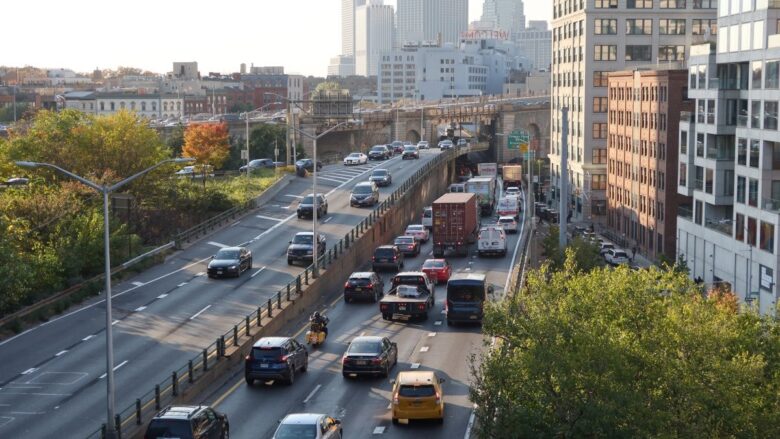
Ask any Queens commuter about detours, and you’ll likely hear a frustrated sigh. Cones and barriers reroute traffic suddenly, often without much notice. A driver on Queens Boulevard may be forced down a side street lined with double-parked delivery trucks. On the Grand Central Parkway, a narrowed work zone can reduce three lanes to one in the blink of an eye.
These disruptions cause more than delays. They are accident traps. Drivers unfamiliar with detour routes often make abrupt lane changes or slam on their brakes to interpret signs. GPS systems aren’t always updated with real-time changes, leaving drivers relying on instinct rather than clear direction. All of this creates fertile ground for fender benders, sideswipes, and rear-end collisions.
Even when a detour is well-marked, the sudden change in traffic flow puts drivers under stress, and stressed drivers make mistakes. It’s no wonder that accident reports in Queens spike near areas of heavy construction.
The Distraction Factor
It’s not just detours themselves—it’s the mental overload that comes with them. Drivers are expected to watch for pedestrians, cyclists, traffic lights, lane closures, and new signage all at once. Flashing lights, reflective barriers, and heavy machinery operating nearby can make it even harder to focus.
This heightened demand for attention often results in distracted driving without a cell phone ever being touched. A driver looking to see where the detour lane merges may not notice the cyclist crossing ahead.
Another driver may be so intent on spotting the next sign that they don’t register the car in front of them stopping. Construction zones demand near-perfect concentration, but the environment almost guarantees that concentration will be fractured.
Pedestrians and Cyclists: The Forgotten Victims
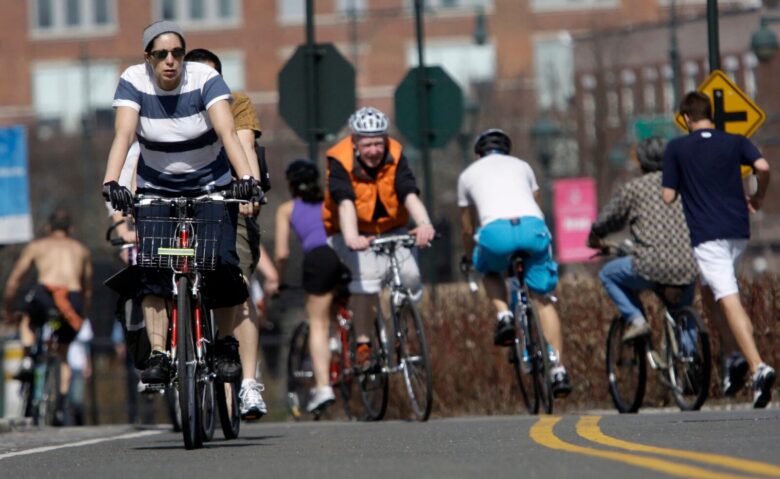
While most conversations about road safety focus on cars, construction zones pose serious risks to pedestrians and cyclists in Queens. Sidewalk closures are common, and “temporary” pedestrian paths often force people dangerously close to traffic lanes. Cyclists may find bike lanes suddenly blocked, with no safe detour provided.
In dense neighborhoods like Jackson Heights or Elmhurst, these forced interactions between cars, cyclists, and pedestrians can be disastrous. Drivers swerving to avoid a cyclist may veer into oncoming traffic. Pedestrians navigating around scaffolding at night may not be visible until it’s too late. In short, construction zones don’t just inconvenience non-drivers—they actively endanger them.
The Question of Responsibility
Here’s where things get really complicated: determining who’s responsible for a crash in or near a construction zone. Unlike typical car accidents, which usually involve just two drivers, these incidents can draw in multiple players.
- Government agencies may be responsible if the project is city or state-funded.
- Private contractors could be liable if they failed to put up adequate signage or barriers.
- Utility companies sometimes play a role if underground work forces a reroute.
- Property owners may even bear responsibility if the project was privately commissioned.
With so many potential parties, blame gets passed around quickly. Was the sign placed too close to the intersection? Were lane closures properly lit at night? Did a contractor rush through safety protocols to stay on schedule? Each of these small details could shift liability dramatically.
A Queens car accident lawyer might point out that cases often hinge on seemingly minor technicalities—like whether a barrier was reflective enough to be visible after dark. What sounds like a simple accident report can turn into a painstaking review of regulations, contracts, and safety standards.
Legal Complexity Unique to Queens

Queens adds another layer of difficulty. Unlike Manhattan, where streets are laid out in a grid and traffic laws are relatively consistent, Queens is a patchwork of overlapping jurisdictions, state highways, and city-controlled streets. One block may fall under city rules, while the next is governed by state law.
This means that even within the same construction zone, the applicable standards—and potential liability—may differ depending on which side of the street the crash occurred. For lawyers and courts, untangling these jurisdictional webs can be as frustrating as driving the detours themselves.
Why Accidents Near Construction Zones Feel Inevitable
The reality is that construction zones combine nearly every risk factor in traffic safety: narrowed lanes, reduced visibility, erratic driving behavior, and higher levels of distraction. Layer in Queens’ notorious congestion, aggressive driving culture, and reliance on detours through crowded neighborhoods, and it’s easy to see why these sites become hot spots for crashes.
The risks are not limited to major highways, either. Local streets under development may funnel cars into tight residential corridors not designed to handle heavy traffic. In areas near schools or commercial districts, the danger multiplies.
Safer Roads Amid Constant Change
While the dangers are real, they aren’t insurmountable. Drivers can take practical steps to reduce risk—slowing down near work zones, leaving extra space between vehicles, and expecting sudden changes in traffic flow. Awareness alone can prevent accidents.
On a larger scale, stronger oversight of contractors and better consistency in signage would make a measurable difference. Clearer communication about detours—whether through updated GPS data or more advanced warning signs—could also reduce confusion.
Ultimately, Queens will continue to evolve, and construction is part of that evolution. The challenge is ensuring that progress doesn’t come at the cost of safety. Recognizing the unique hazards of construction zones is the first step toward addressing them.
 Nina Smith