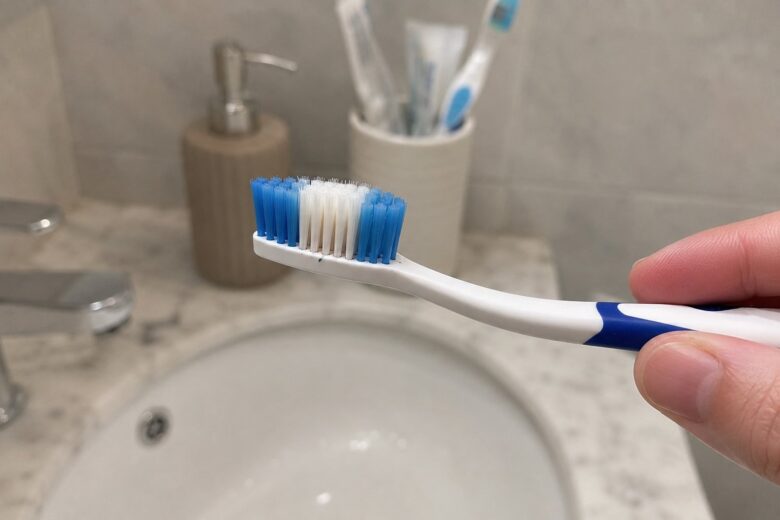
Healthy gums generally should not bleed during brushing or flossing. Bleeding often signals irritation, inflammation, or another issue affecting gum tissue.
Occasional bleeding can happen after brushing too hard or restarting flossing after a long break.
Repeated bleeding, however, often acts as an early warning sign that gum health needs attention.
Ignoring frequent bleeding can allow a minor gum problem to become more serious over time.
Let’s talk about it in greater detail.
The Most Common Cause – Gingivitis
Plaque buildup along the gumline is the most common reason gums bleed. Plaque contains bacteria that irritate gum tissue, triggering inflammation.
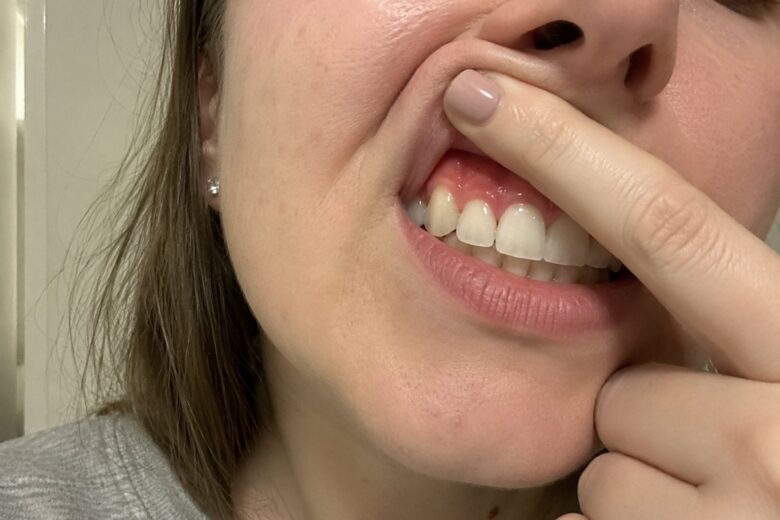
Gingivitis develops during the earliest stage of gum disease. Pain is not always present, so many people may not realize a problem is developing.
- Redness around the gumline
- Swelling
- Tenderness
- Bleeding during brushing or flossing
Plaque that stays on teeth can eventually harden into tartar. Normal brushing and flossing cannot remove hardened tartar once it develops.
Professional dental cleaning is needed to remove that buildup safely. Consistent brushing, daily cleaning between teeth, and routine dental care can often reverse gingivitis before permanent damage occurs.
Early action matters because inflammation at this stage usually responds well to improved oral hygiene and professional cleaning.
Plaque buildup along the gumline is the most common reason gums bleed. It contains bacteria that irritate gum tissue, triggering inflammation.
If bleeding keeps happening, a professional evaluation at Tannlege Team can help identify the cause and determine what care may be needed.
Other Reasons Your Gums May Bleed
Gum disease is common, but bleeding can also occur for several other reasons.
Brushing too aggressively can injure delicate gum tissue.
Hard-bristled toothbrushes may also create unnecessary irritation, especially when heavy pressure is used.
- Choose a soft-bristled toothbrush
- Use light pressure
- Move the brush in small circular motions
- Avoid forceful scrubbing along the gumline
Restarting flossing after not doing it regularly can also cause temporary bleeding. Inflamed gums may bleed for several days while daily cleaning improves the condition.
Consistency usually helps reduce bleeding over time rather than making the problem worse.
Hormonal changes can make gums more sensitive during pregnancy, menstruation, and menopause. Increased sensitivity may cause gum tissue to swell or bleed more easily.
Certain medications can also increase bleeding. Blood-thinning drugs, for example, may make minor gum irritation more noticeable.
Low levels of vitamins C or K may contribute to bleeding in some people. Nutritional deficiencies are not the most common explanation, but they can play a role.
Diabetes can increase the risk of gum inflammation and make oral infections harder to control. Chronic stress may also weaken normal immune defenses against bacteria in the mouth.
Smoking and vaping can interfere with gum health as well. Reduced blood flow may affect healing and can sometimes make gum disease harder to notice because bleeding may appear less obvious.
What Happens If You Ignore It
Untreated gingivitis can progress into periodontitis, a more serious form of gum disease that affects tissues and bone supporting the teeth.
As inflammation worsens, gums can pull away from tooth surfaces. Small pockets may then develop between teeth and gums, creating spaces where plaque can collect.
- Gum recession
- Loss of supporting bone
- Loose teeth
- Changes in how upper and lower teeth meet
- Tooth loss
Damage caused by periodontitis can be irreversible. Bone that has already been lost does not simply grow back after brushing habits improve.
Treatment can often control the disease, limit additional damage, and protect teeth that still have adequate support.
Earlier treatment generally provides a better chance of avoiding major gum and bone loss.
What You Should Do

Daily oral hygiene is usually the first step when gums begin bleeding.
Brush gently for two minutes twice each day with a soft-bristled toothbrush and fluoride toothpaste.
Cleaning between teeth once a day is also important because toothbrush bristles cannot reach every surface where plaque collects.
An antimicrobial mouthwash can provide added plaque control for some people. Mouthwash should support brushing and interdental cleaning rather than replace either one.
Professional dental cleanings are important when tartar has already formed.
Dental professionals can remove hardened deposits that home care cannot eliminate.
More advanced gum disease may require scaling and root planing. Such treatment cleans below the gumline and removes deposits attached to tooth roots.
Dental evaluation is especially important when bleeding happens regularly or continues longer than about a week despite careful oral hygiene.
- Swelling or ongoing tenderness
- Persistent bad breath
- Gum recession
- Loose teeth
- Changes in the bite
- Bleeding that becomes heavier or more frequent
Persistent bleeding can sometimes relate to medication use, nutritional problems, diabetes, or other health factors, so repeated symptoms should not automatically be blamed on brushing technique alone.
FAQs
Summary
Bleeding gums are often an early sign of inflammation rather than a harmless side effect of brushing.
Plaque-related gingivitis is one of the most common causes, and early-stage inflammation is often reversible with consistent oral hygiene and professional cleaning.
Waiting too long can allow gum disease to progress into periodontitis, which may cause permanent gum and bone damage.
Paying attention to repeated bleeding, improving daily cleaning habits, and seeking dental care when symptoms persist can help protect gum health and reduce the risk of tooth loss.
 Nicola Holder