

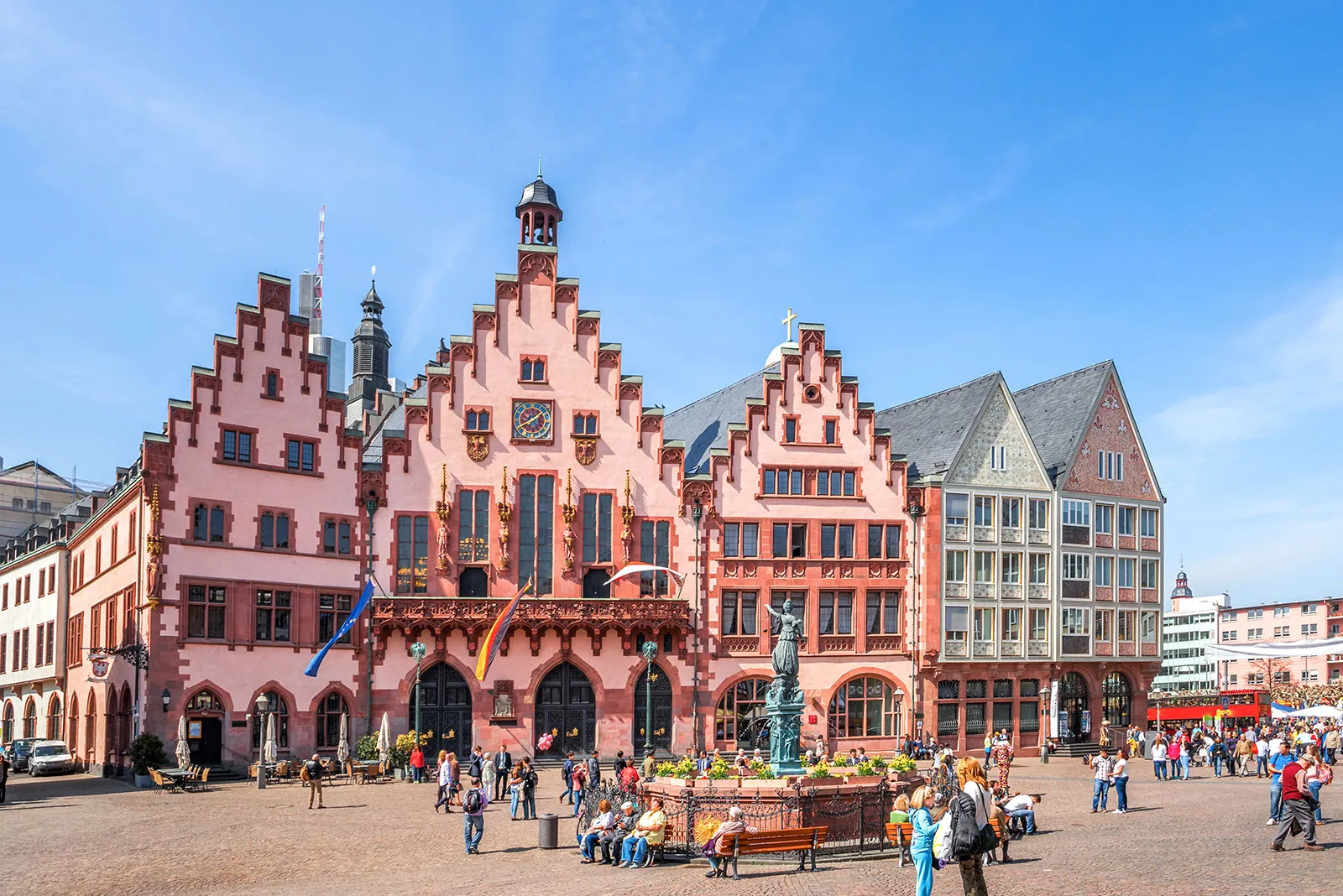
Frankfurt is easy to underestimate. Many travelers see the airport, conference halls, and bank towers, then assume the city has already explained itself. It has not.
Spend two or three days here and the picture changes quickly: medieval-looking lanes lead toward glass skyscrapers, serious museums sit beside relaxed riverbanks, and traditional apple-wine taverns share the city with international food halls and polished rooftop bars.
Frankfurt works especially well for travelers who like compact cities with strong transport, culture, and nightlife. The trick is to stop treating it as a waiting room and start exploring it like a destination.
Start at Römerberg, Then Keep Walking
Römerberg is the obvious starting point, but it should not become the whole plan. The square, the Römer city hall, the rebuilt New Old Town, and Frankfurt Cathedral create a walkable historic core that feels almost theatrical beside the modern skyline.
From there, cross the Eiserner Steg footbridge for one of the clearest views of the city’s defining contrast: church towers and reconstructed façades in one direction, high-rise finance offices in the other. The bridge dates from 1868 and links the old center with Sachsenhausen and the Museum Embankment.
Keep moving after the photos. The river promenade is where Frankfurt loosens its tie, especially in good weather, when locals walk, cycle, meet for drinks, or simply sit facing the Main.
Let the Business City Turn Into an Evening Out
Frankfurt makes more sense after office hours. Start with an early drink around the Opernplatz area, move toward a rooftop bar for skyline views, or explore the restaurants of the Bahnhofsviertel, where the dining scene is far more international than the city’s conservative reputation suggests.
Travelers attending a trade fair, banking meeting, or corporate event can easily turn a formal visit into a polished evening without crossing half the city. Target Escorts® Frankfurt is a premium companion service for adult international clients and it has operated for more than 25 years. The agency describes arrangements for gala dinners, private events, and nightlife outings, with discretion as a central part of its service.
Make the Städel Museum Your Cultural Anchor
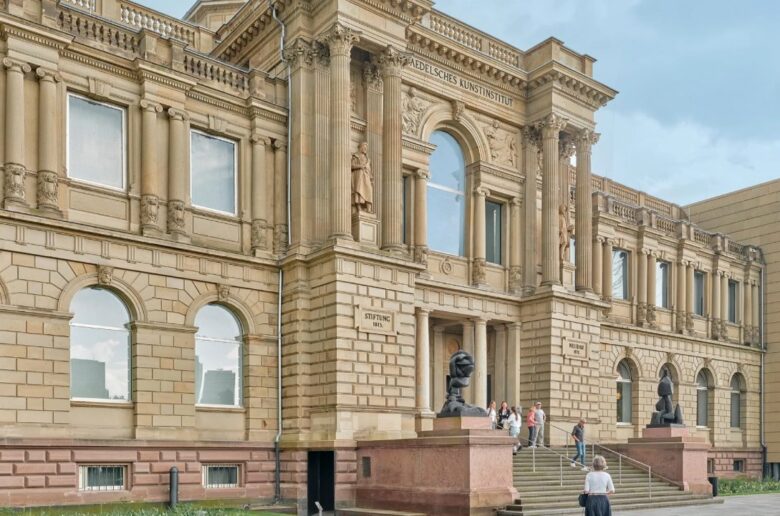
Even travelers who claim they are “not really museum people” may find the Städel unusually approachable. Its collection covers roughly 700 years of European art, moving from early masters through Renaissance and Baroque works to modern and contemporary pieces.
That range means you can build your own visit instead of dutifully walking through every room. Pick a period you genuinely enjoy, pause at the rooftop viewpoint, and resist the urge to treat the museum like a checklist.
The Städel’s official collection includes paintings, sculpture, prints, drawings, and photography, while its digital platform makes it easy to preview works before arriving. Current visitor information lists Thursday evening hours later than the standard schedule, which can be useful for business travelers with daytime commitments.
Slow Down Properly at the Palmengarten
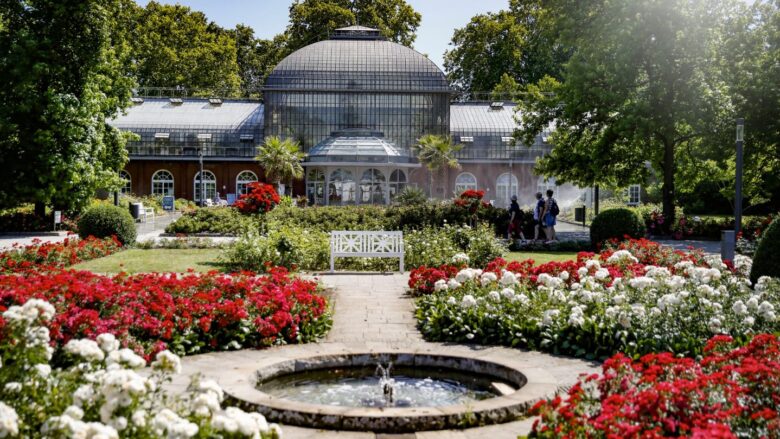
After stone squares, offices, and exhibition rooms, the Palmengarten feels like a reset button. Frankfurt’s botanical garden covers about 20 hectares and contains thousands of plant species across outdoor landscapes and historic display houses.
It is worth visiting even when the weather is uncooperative, because the greenhouses give the experience structure rather than making it dependent on sunshine. Leave at least two hours, especially if you enjoy photography or need a quieter afternoon after meetings.
The garden is open daily, although seasonal hours differ, with longer opening times from March through October. It also sits beside Westend, so the visit pairs naturally with coffee, a walk through residential streets, or dinner near the banking district rather than requiring a separate day trip.
Eat Like Frankfurt Is a Global City and a Hessian Town
Food is where Frankfurt’s split personality becomes delicious. The Kleinmarkthalle brings together around 150 stalls, regional products, international ingredients, quick lunches, and the very Frankfurt habit of lingering over a glass of wine in the gallery.
Later, head south of the river to Sachsenhausen for apple wine, known locally as Ebbelwoi, served in traditional taverns that feel more communal than polished. Try the local experience without turning dinner into a dare.
A simple tasting plan works well:
- Green sauce with eggs, potatoes, or schnitzel for a classic regional flavor.
- Handkäs mit Musik if you enjoy sharp cheese, onions, and vinegar.
- Apple wine served pure first, then mixed with sparkling water if you prefer it lighter.
The best meals here reward curiosity more than a hunt for luxury.
Use a Two-Day Frankfurt Itinerary That Leaves Breathing Room
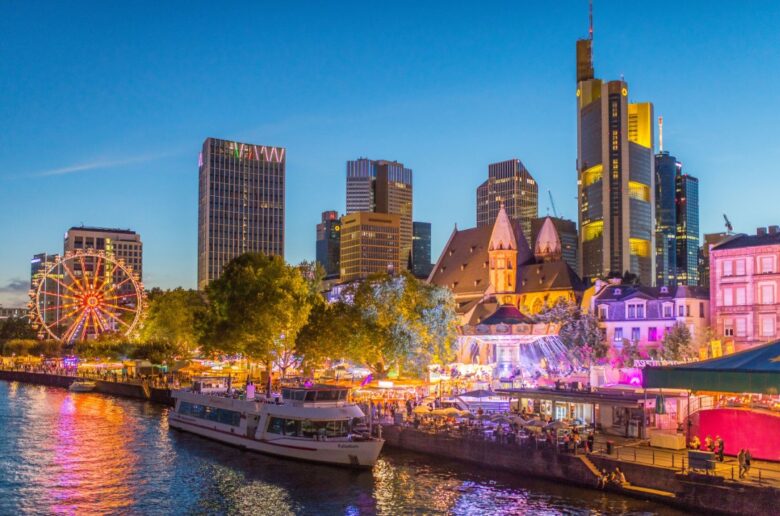
Frankfurt is compact enough for efficient sightseeing, but over-planning makes it feel oddly transactional. A better itinerary alternates major sights with neighborhoods, meals, and unstructured walking.
|
Time |
Day One |
Day Two |
| Morning | Römerberg, New Old Town, cathedral | Städel Museum |
| Afternoon | Main riverbank and Sachsenhausen | Palmengarten and Westend |
| Evening | Apple-wine tavern | Skyline drink or live music |
Most stops connect naturally by foot or public transport. Add Kleinmarkthalle before it closes, and swap the Palmengarten for another Museumsufer institution in poor weather.
The Frankfurt Card is available in one-day and two-day formats and combines public transport, including the airport, with attraction discounts, but compare its current price against the places you actually intend to visit. It only saves money when it matches your schedule.
At The End
Frankfurt will probably never compete with Berlin for creative mythology or Munich for postcard charm, and that is part of its appeal. It is sharper, smaller, and more layered than people expect.
A longer stay reveals a city where medieval history, international business, serious art, neighborhood cafés, botanical calm, and lively evenings sit surprisingly close together. Two days are enough to challenge the stopover stereotype; three days let the city settle into focus.
Come for the transport connections if necessary, but stay for the river, the museums, the food, and the satisfying feeling that you discovered more than the skyline promised.
 Nicola Holder