


Winter can be a tough season for your car. The cold temperatures, snow, and ice can cause damage, making it important to take extra care of your vehicle.
One area that needs special attention is your windscreen. Winter weather can bring harsh conditions that impact visibility and the overall safety of your car.
That’s where windscreen protection film comes in. This helpful tool can be a game-changer in ensuring that your car is ready for whatever winter throws at it.
Here are five tips to protect your car in winter, with a focus on the importance of windscreen protection film.
Before winter truly sets in, it also helps to prepare the rest of the car so your windscreen protection measures can do their job. Start with your ventilation and heater system.
A cabin filter that is clogged with dust reduces airflow and makes defrosting slower, leaving moisture to fog the glass.
Replacing it is inexpensive and can dramatically improve how quickly your windscreen clears.
Next, check the rubber seals around the windscreen and doors.
If they are dry or cracked, cold air and water can sneak in, adding condensation that freezes overnight. A quick wipe with silicone conditioner keeps the seals flexible.
Do not forget the washer system.
Top up with a winter washer fluid rated for sub zero temperatures and clean the washer nozzles so they spray evenly across the film.
Poor spray patterns force you to overuse the wipers, increasing wear.
Inspect wiper arms for proper tension and replace blades that leave streaks, because streaking is magnified by headlight glare on wet nights.
Finally, adjust your driving habits in winter. Leave extra space behind other vehicles and avoid tailgating trucks that throw up grit.
Even with a film in place, fewer impacts mean fewer repairs.
When you park, choose a spot away from dripping trees or roofs where melting snow refreezes into hard ice.
These small steps work together with the film to keep your windscreen clear, your view sharp, and your mornings easier.
Over the season, that extra care can also help preserve resale value and safety.
1. Apply Windscreen Protection Film
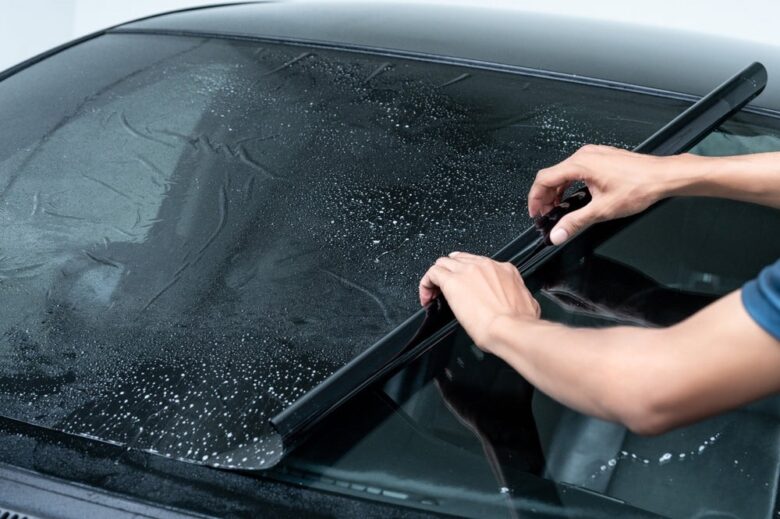
Windscreen protection film is a fantastic way to protect your vehicle from winter’s harsh elements.
This transparent, thin film is applied to your windscreen, and it acts as a shield against scratches, chips, and frost build-up.
During the colder months, ice and snow can damage the glass, leading to costly repairs.
A protective film prevents the ice from sticking to the surface, which not only helps maintain visibility but also protects the glass from potential damage caused by scraping.
The film is designed to be durable and resistant to freezing temperatures, making it ideal for winter weather.
It ensures your windscreen stays clear and in good condition, even after repeated exposure to ice and snow.
2. Regularly Clear Off Snow and Ice
While the protection film does help, it’s still important to regularly clear off any snow and ice from your windscreen.
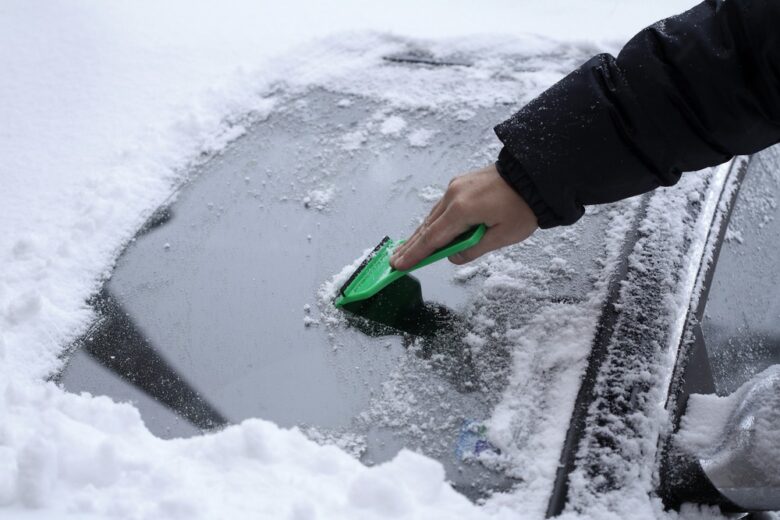
Use an ice scraper or snow brush, but avoid scraping too hard, especially if you have a protection film on the glass.
Using the wrong tools can damage the film, so always use gentle motions to clear away the snow or ice.
Additionally, never pour hot water directly onto your windscreen to defrost it, as the sudden temperature change can cause the glass to crack, even if it’s protected with a film. Instead, use your car’s defrost settings to gradually melt the ice.
3. Keep Your Windscreen Clean
A clean windscreen is crucial for optimal visibility, especially in the winter. The protection film helps prevent scratches, but it can still accumulate dirt, salt, and grime.
Make sure to wash your car regularly, especially the windscreen. Use a gentle car wash soap and a microfiber cloth to wipe the surface.
Also, ensure your windscreen wipers are in good condition and free from any debris that could scratch or damage the film.
If you live in an area that uses road salt during the winter, consider using a de-icing solution for your windscreen wipers.
This will help prevent the salt from building up on the film and keep it clear for safe driving.
4. Use a Windscreen Cover Overnight
During the winter, your car’s windscreen is at the mercy of the weather. It’s a good idea to use a windscreen cover overnight.
These covers help keep frost and snow from accumulating on the glass, which means less work for you in the morning.
A protective cover also ensures that your windscreen stays clear, reducing the likelihood of damage.
If you don’t have a cover, you can use an old towel or sheet as a makeshift cover.
The key is to prevent the snow and ice from settling directly on your windscreen, which can create a barrier between your protection film and the elements.
5. Check for Damage Early
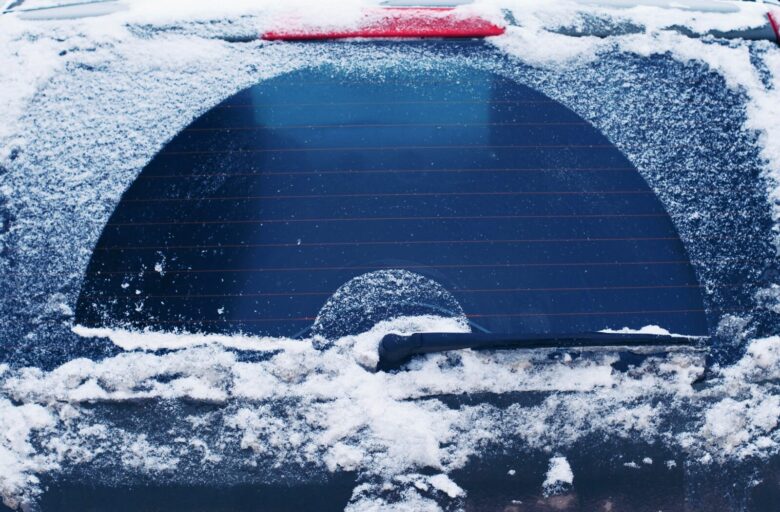
Winter can be particularly hard on your car, especially the windscreen.
While a protection film can significantly reduce the risk of damage, it’s still important to inspect the windscreen regularly for cracks or chips.
The cold temperatures can cause existing cracks to expand, and the pressure from snow or ice can make them worse.
If you notice any damage, get it fixed immediately to prevent further deterioration.
Small chips and cracks can usually be repaired, but leaving them unchecked can lead to larger, more expensive repairs down the line.
Conclusion
By following these five tips, you can protect your car’s windscreen and ensure your vehicle is ready for winter.
Windscreen protection film is a simple yet effective way to shield your car from the harsh conditions of the season.
With this protective layer, along with regular maintenance and cleaning, you can enjoy clear visibility and a well-maintained vehicle all winter long.
 Kim Marks
  Nina Smith