

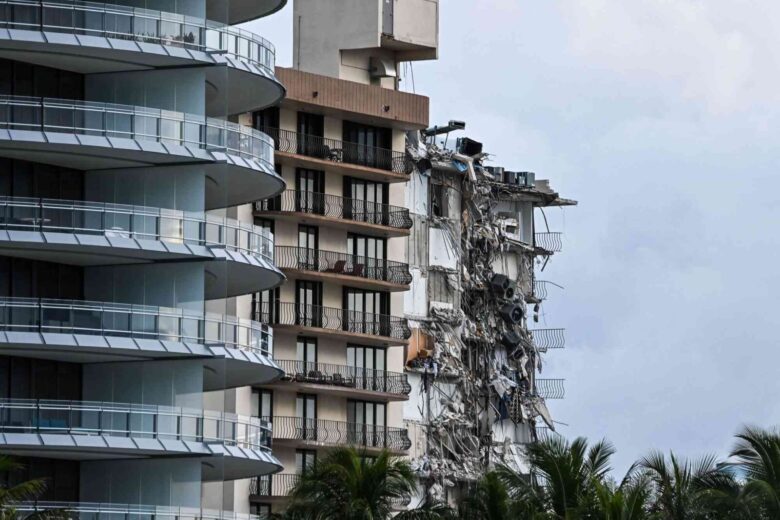
Over the last two decades, Miami’s skyline has transformed dramatically. Luxury condominiums and glassy high-rises now line the coast and spread inland, attracting investors, seasonal residents, and year-round locals who want sweeping views of the Atlantic or Biscayne Bay. With this building boom has come an unmistakable shift in how people experience the city—living dozens of stories above street level, enjoying rooftop pools, sky lounges, and private balconies.
But as Miami’s vertical living trend accelerates, another reality has quietly emerged alongside it: balcony-related accidents. While these incidents are relatively rare compared to other types of property injuries, they can be devastating when they occur. From structural failures to simple maintenance issues, balconies introduce risks that both residents and property managers sometimes underestimate.
Why Balconies Are Central to Miami Condo Living
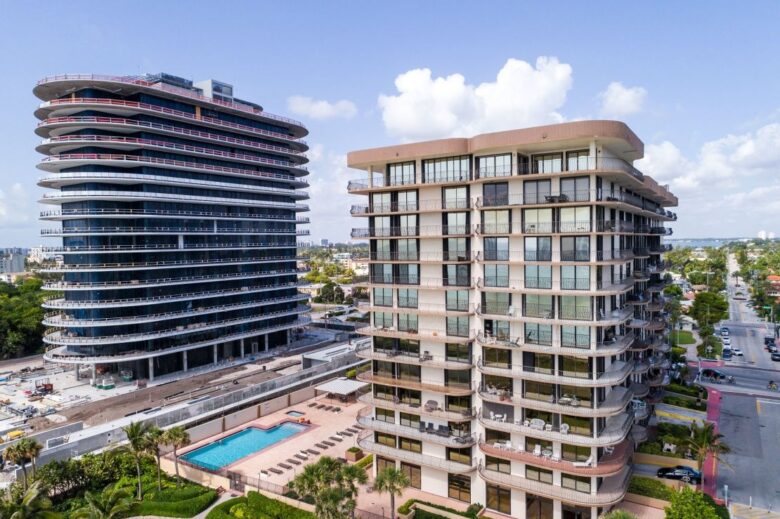
Balconies are more than a luxury feature in Miami. For many buyers, they are a deciding factor. The city’s warm climate means residents often treat their outdoor spaces like extensions of their living rooms. Morning coffee overlooking the ocean, sunset gatherings with friends, or even small container gardens are all part of the lifestyle developers market.
In newer high-rise towers, balconies are often designed with sleek glass railings and cantilevered concrete slabs that project outward from the building. While these designs offer incredible views and modern aesthetics, they also require precise engineering and ongoing maintenance to remain safe over decades of use.
Unlike interior spaces, balconies are exposed to constant environmental stress. Salt-heavy ocean air, intense sun, tropical rain, and hurricane-force winds all affect the materials used in construction. Over time, these factors can weaken structural elements if inspections and repairs are neglected.
Common Causes of Balcony Accidents
Balcony incidents in Miami typically fall into several categories. One of the most concerning is structural deterioration. Reinforced concrete balconies may develop cracks or internal corrosion as moisture reaches the steel rebar inside. When saltwater accelerates that corrosion, the structural integrity of the slab can weaken.
Another frequent issue involves railing failures. Glass or metal railings are designed to withstand significant force, but improper installation, corrosion, or loose fasteners can create dangerous conditions. If a railing gives way when someone leans against it, the consequences can be catastrophic.
Overloading is another factor. Many residents assume balconies can safely hold large groups of people, heavy outdoor furniture, grills, or even hot tubs. In reality, balconies are engineered with specific load limits. When gatherings push beyond those limits, the structure can experience stress it was never designed to handle.
Then there are maintenance-related hazards that may seem minor but still cause serious injuries. Slippery tiles after rain, uneven flooring, or loose decking materials can lead to falls. Even something as simple as a neglected drainage system can allow water to accumulate and create hazardous surfaces.
The Role of Inspections and Building Maintenance
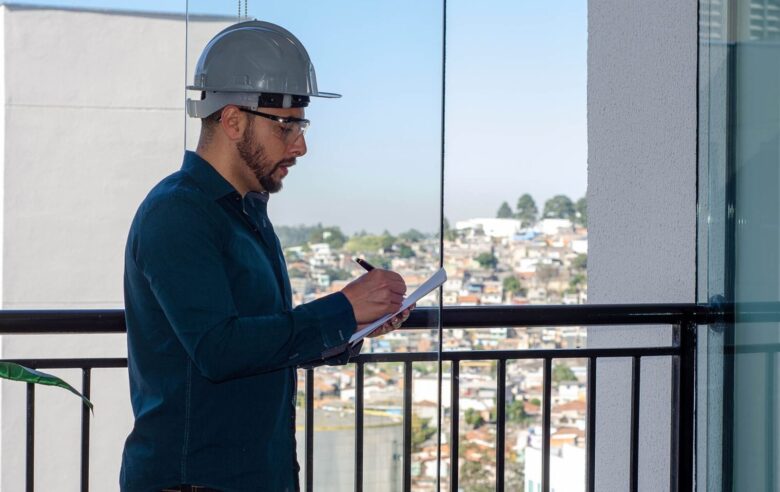
Because of the risks associated with aging balconies, inspections have become an increasingly important part of building safety in South Florida. Condominium associations and property managers are responsible for maintaining shared structural elements, which often include balconies.
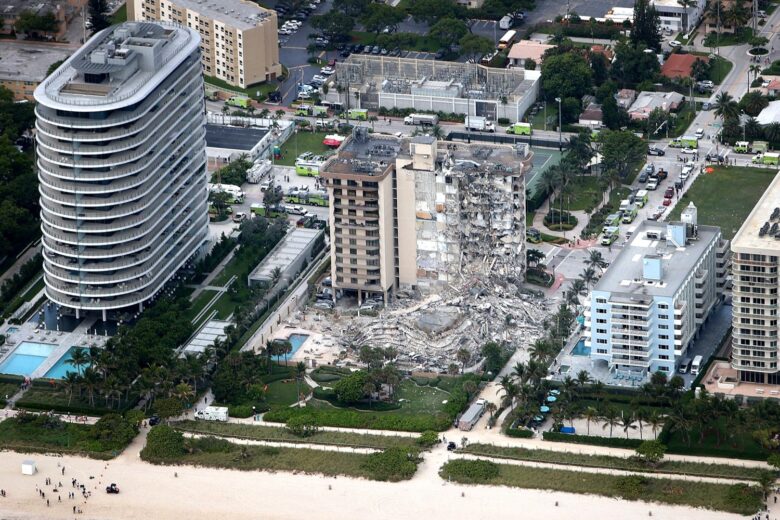
After the tragic collapse of the Surfside condominium collapse in nearby Surfside, Florida lawmakers implemented stricter requirements for building inspections and structural integrity studies. These regulations are meant to ensure that aging buildings—particularly those near the coast—are evaluated for potential structural weaknesses before problems escalate.
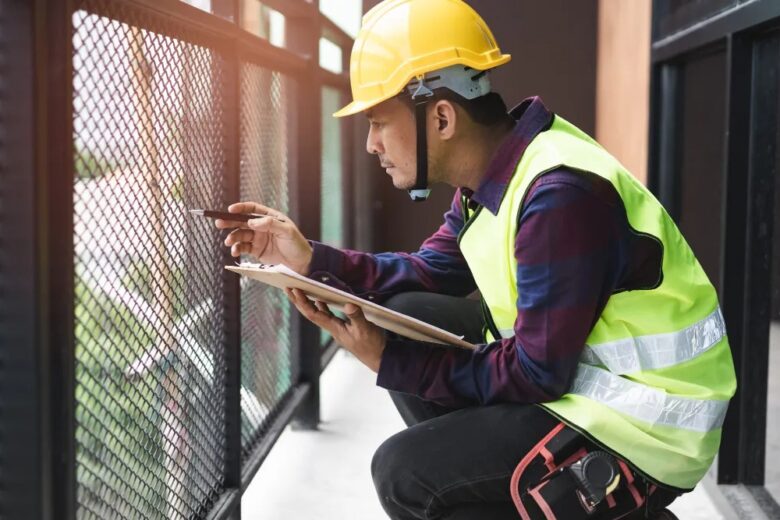
Balconies are a key focus during these inspections. Engineers look for signs of concrete spalling, rust stains that indicate rebar corrosion, and any movement or instability in railings. If issues are discovered, the building may be required to perform repairs before the balcony can be used safely again.
For residents, these inspections can sometimes mean temporary inconvenience. Balconies may be closed while repairs are underway, and special assessments might be issued to cover the cost of structural work. Still, most safety experts agree that proactive maintenance is far less costly than dealing with a serious accident later.
Construction Quality and the Condo Development Boom
Another factor contributing to balcony-related risks is the pace of Miami’s development. Over the last several years, dozens of new towers have been proposed or completed, particularly in areas like Brickell and Sunny Isles Beach. High demand for luxury housing has pushed developers to build quickly to capitalize on the market.
While most projects follow strict building codes, rapid construction timelines can sometimes lead to workmanship issues that only become visible years later. Improper waterproofing, poorly installed railings, or substandard materials may not reveal themselves until the building has already been occupied for some time.
Miami’s building codes are among the strictest in the country due to hurricane risk, but enforcement and quality control still depend heavily on contractors, inspectors, and engineers doing their jobs carefully throughout the process.
What Happens When Balcony Accidents Occur
When a balcony accident does occur, determining responsibility can be complicated. Liability often depends on whether the issue resulted from poor construction, inadequate maintenance, or misuse by residents.
In condominium buildings, responsibility may be shared between several parties. Developers, contractors, property managers, and condo associations may all play a role depending on the circumstances surrounding the accident. Insurance policies also come into play, sometimes leading to complex disputes about coverage.
For someone injured in a fall or structural incident, understanding who may be legally responsible can be difficult without professional guidance. Situations like these often prompt victims to consult a Miami personal injury lawyer who can evaluate whether negligence in construction, maintenance, or management contributed to the accident.
Staying Safe on High-Rise Balconies
Despite the risks, balcony accidents remain uncommon relative to the millions of people who use these spaces every day. Simple awareness and responsible maintenance go a long way toward preventing problems.
Residents should avoid placing excessive weight on balcony surfaces and should never modify structural components such as railings or flooring without building approval. Reporting cracks, rust stains, loose railings, or unusual structural movement to building management immediately can also prevent small issues from becoming larger hazards.
For condo associations, maintaining detailed inspection schedules and responding quickly to repair needs is critical. In coastal cities like Miami, where environmental conditions accelerate wear and tear, proactive maintenance is essential to keeping buildings safe over the long term.
A Defining Feature of Miami’s Skyline
Balconies are one of the defining features of Miami’s modern skyline. They offer breathtaking views, outdoor living space, and a connection to the city’s coastal environment that few other architectural elements provide.
Yet as the high-rise condo boom continues, these structures also highlight the importance of responsible construction, regular inspections, and vigilant property management. When properly designed and maintained, balconies remain one of the most enjoyable parts of life in a Miami high-rise—allowing residents to experience the city from a perspective that feels both elevated and uniquely Miami.
 Nina Smith